Work

The projects I have built and the ones I am building are here. If something catches your interest, please do get in touch.

Finished

Team project Unreal Engine 5

Sci-Fi Agent Game Showroom

Showing a system by letting people try it, instead of describing it

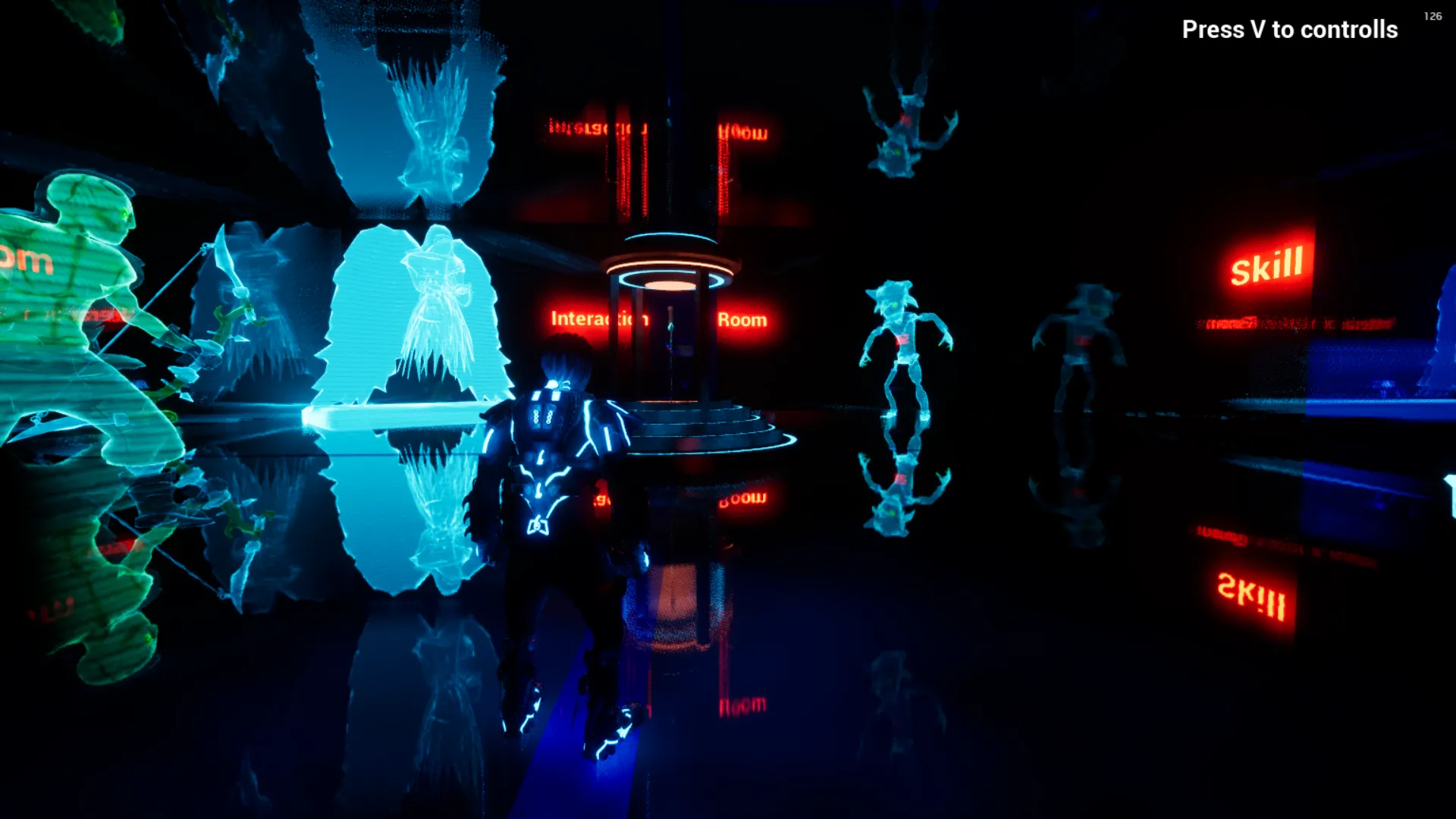
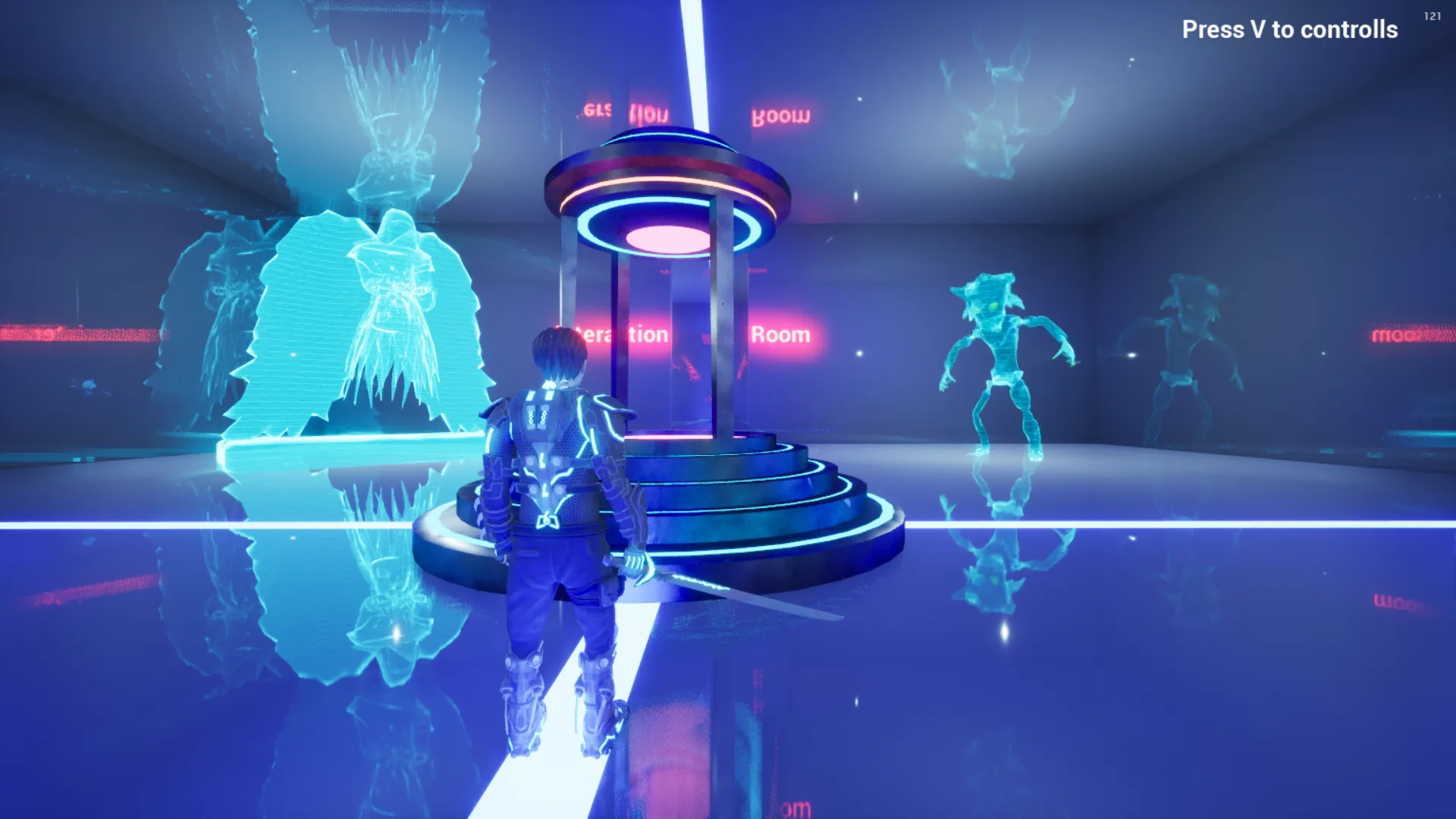
I designed and built the interaction and gameplay systems of a project developed with a team. The problem I ran into was this: when the systems were written up in a document, the reader could not tell what had actually been built. So I gathered them into a single walkable space — each section introduces one system and lets the visitor try it directly.

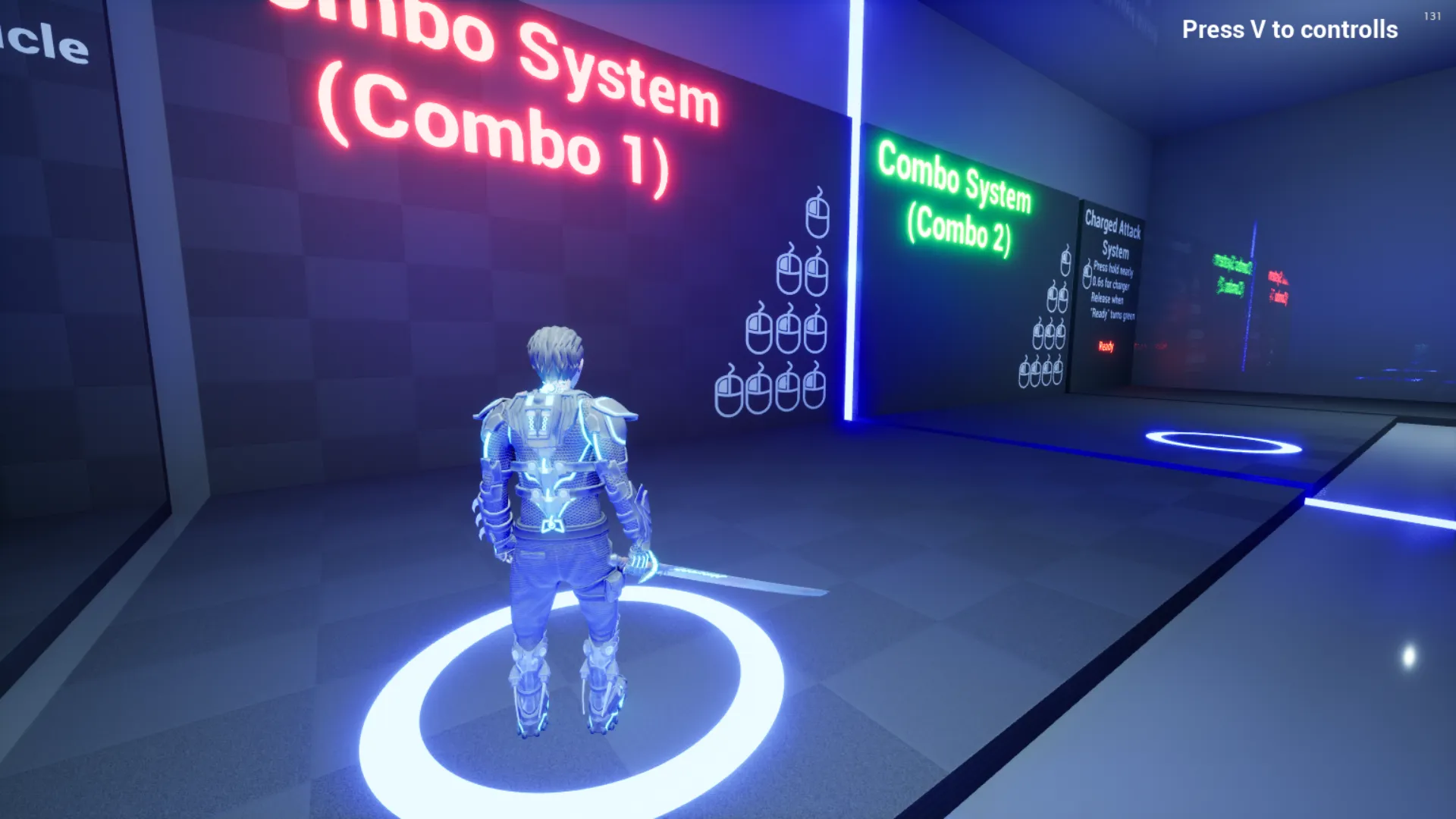
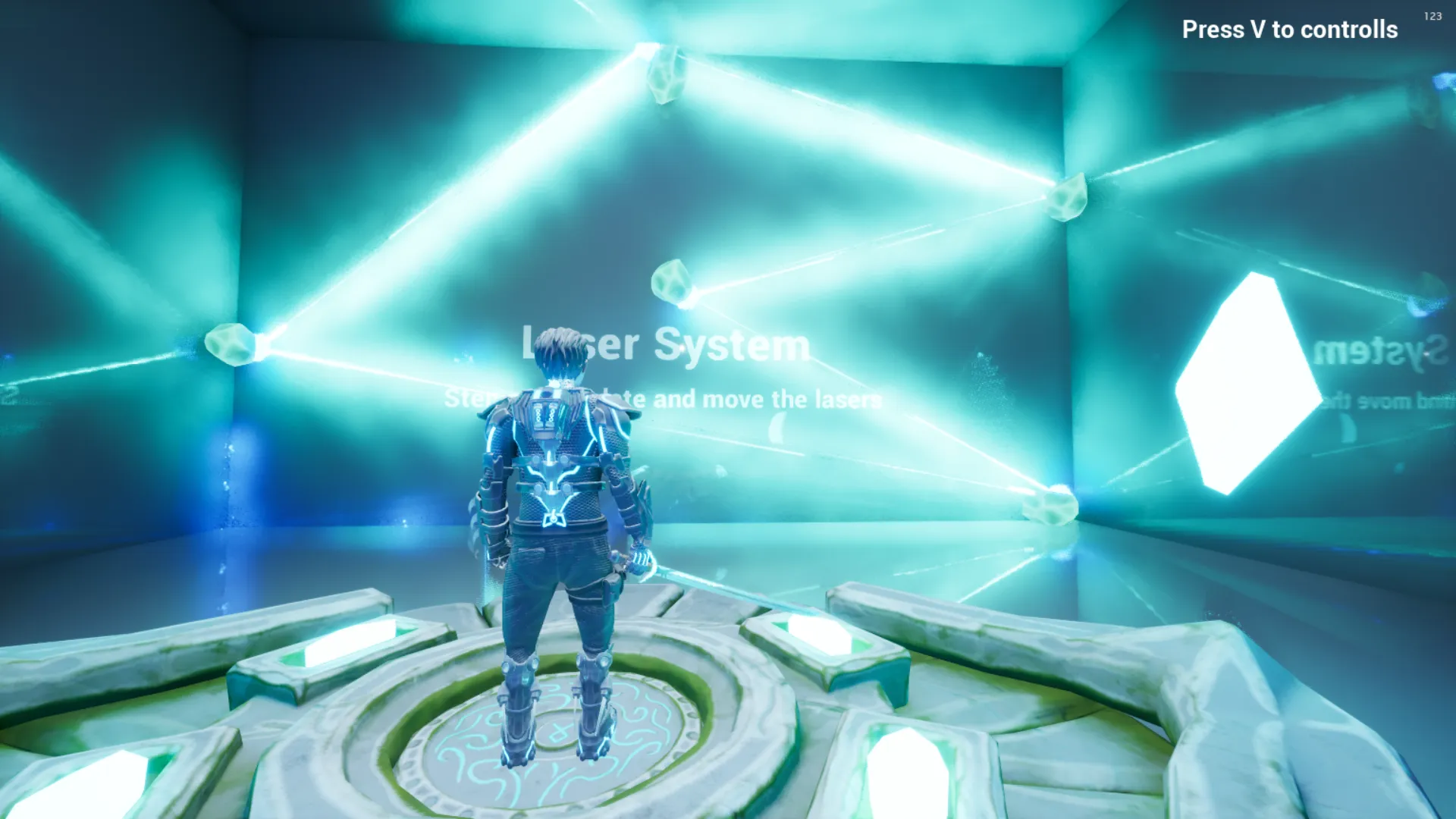
Some of the systems in the showroom: chainable attack sequences, a charge mechanic, an ability set, a movement system, and an interactive laser puzzle reflecting between prisms. Each was built to hold up alongside the others, not on its own.

Every section has a sign at its entrance explaining what it does, so the visitor walks in knowing what to try. The aim was not to advertise a product but to make the work legible.

What it taught me

The fastest way to get technical work across to someone non-technical is not to explain it but to put it in their hands. This project showed me that how a piece of work is presented needs designing as much as the work itself; since then I keep a separate "how will this be shown" step in every project.

My role
System design
Platform
Windows
Status
Try it yourself
  • Unreal Engine 5
  • Windows
  • System design
  • Teamwork

Download on itch.io

An interaction section on a dark, reflective floor; a red neon sign and turquoise hologram figures.
  • A section with neon text and key diagrams on the wall, a sword-carrying character in the middle.
  • A circular platform at the centre of a blue-toned section, surrounded by hologram figures.
  • The laser section: turquoise beams reflecting between prisms, a character standing in the middle.

Published on Google Play Unity

Click and Clone

Keeping an economy that outgrows standard number limits both working and readable

A mobile application that starts with a single clone and grows through a clone → energy → credit loop. Credits are spent on raising production and progressing; past a certain threshold the player starts over in a stronger position.

The real difficulty was the scale of the numbers: because production grows exponentially, values pass standard integer limits quickly. I built the economy on BigInteger and abbreviated the display in the interface, from thousands to well beyond quadrillions. Earnings also accrue while the application is closed, so offline time had to be handled separately.

The release was mine as well: store submission, rewarded ad integration and leaderboards through Google Play Services. I have kept shipping updates since launch.

What it taught me

Finishing a project does not end with writing it. The store process, release management and post-launch updates are a separate and far from trivial part of the work. This was the first release I ran end to end on my own; I now plan every project with those steps accounted for from the start.

My role
Sole developer
Downloads
100+
Last update
December 2025
  • Unity
  • Android
  • BigInteger economy
  • Google Play Services

Download on Google Play

Click and Clone's key art: a turquoise clone figure standing with open arms in front of a glowing turquoise ring on a space background, surrounded by planets, stars and a comet.

Published on Fab Unreal Engine 5.8

Warmpool

The performance cost of constantly creating and destroying objects at runtime

In Unreal projects, repeatedly spawning and destroying actors at runtime carries a measurable cost. Warmpool keeps actors in a pool and reuses them instead of destroying them: the number of objects in the scene can change while the memory allocated stays constant.

After solving the same problem by hand a few times in my own projects, I decided to turn the solution into a reusable tool. The plugin is published on Fab and is completely free; the source is open on GitHub as well.

It ships under CC BY 4.0: usable in commercial projects too, the only condition being attribution. I kept the licence deliberately permissive — a tool has to be tried before it can be useful.

What it taught me

Once I have written a solution by hand for the third time, it needs to become a tool. But making something that works in my own project work in someone else’s is a separate job: pulling out the embedded assumptions and putting settings in their place took longer than writing the solution itself. Packaging, engine compatibility and the store process were part of the work too.

My role
Sole developer
Engine
Unreal Engine 5.8
Licence
CC BY 4.0
Price
Free
  • Unreal Engine 5.8
  • Plugin
  • Performance
  • Open source

Get it on Fab Source code

In progress

Coming soon…

For details on any of these, or for similar work: efeardasakarya@gmail.com